Many newer forms of malware are adding an exclusion into Windows Defender when they initially bypass the antivirus. This is to prevent its detection and removal for when Windows Defender catches on and updates their virus signatures. It assumes the user manually added it.
After you’ve cleaned the system from any malware, it’s a good idea to remove any exclusions you don’t recognize.
Here’s a guide on how to manage Windows Defender exclusions:
Click the Start button / Windows logo on your Taskbar:
Select Settings:
Click Privacy & security:
Click Windows Security:
Choose Open Windows Security:
Choose Virus & threat protection:
Choose Manage Settings:
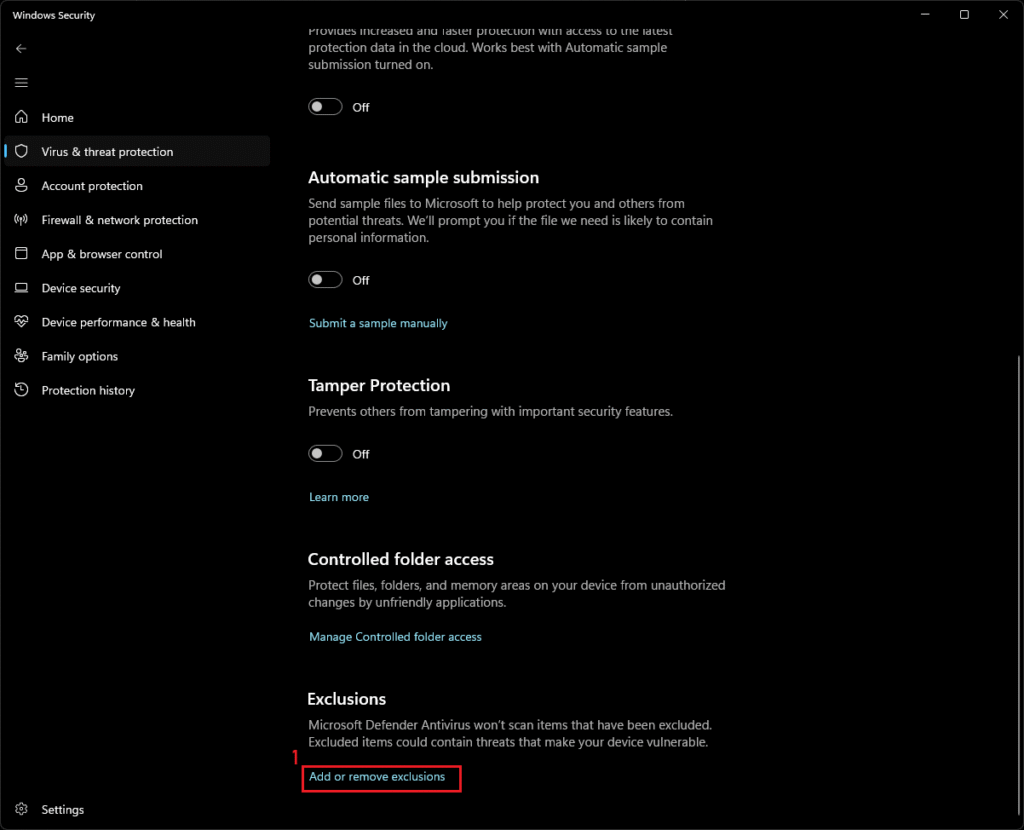
Scroll down towards the bottom of this page until you find Exclusions. Select Add or remove exclusions
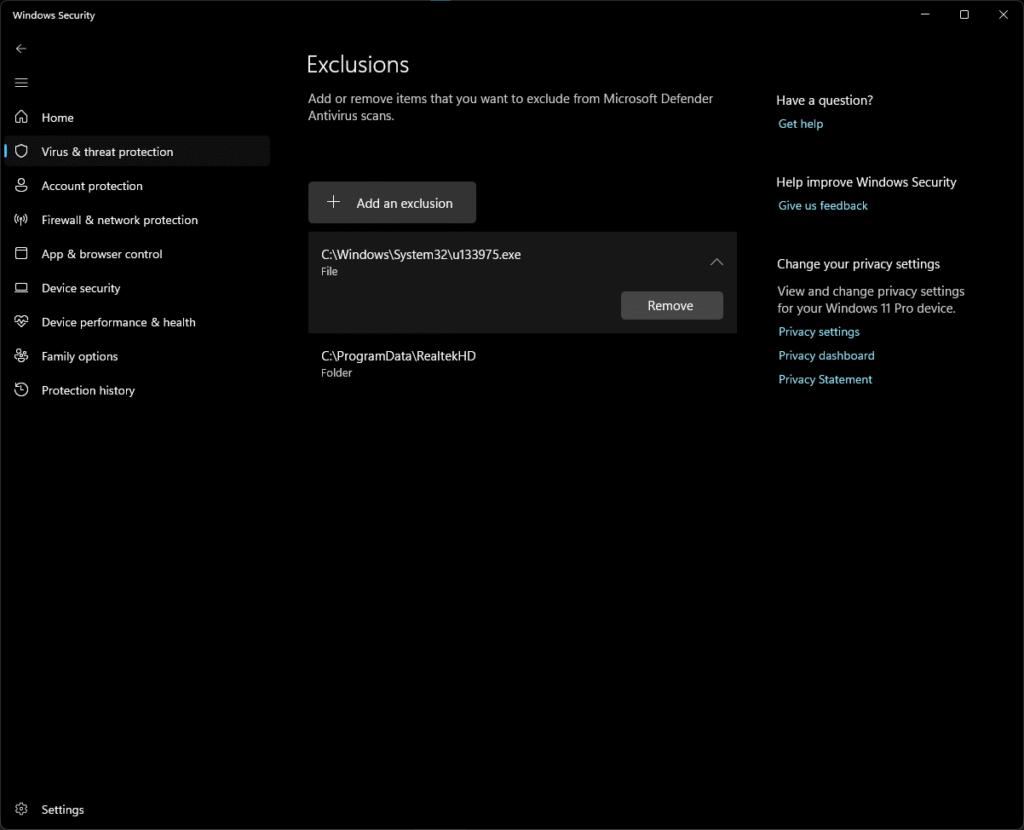
From this list, you should be able to click any entries you don’t recognize and remove them. This area, by default, is empty
This page contains a small collection of tools and references I regularly use in my work as a computer technician. Each link serves a practical purpose — whether it’s diagnosing issues, cleaning compromised systems, or streamlining common troubleshooting tasks.
These resources are provided as-is and are shared for other technicians or advanced users who may find them useful in real-world support and remediation scenarios.
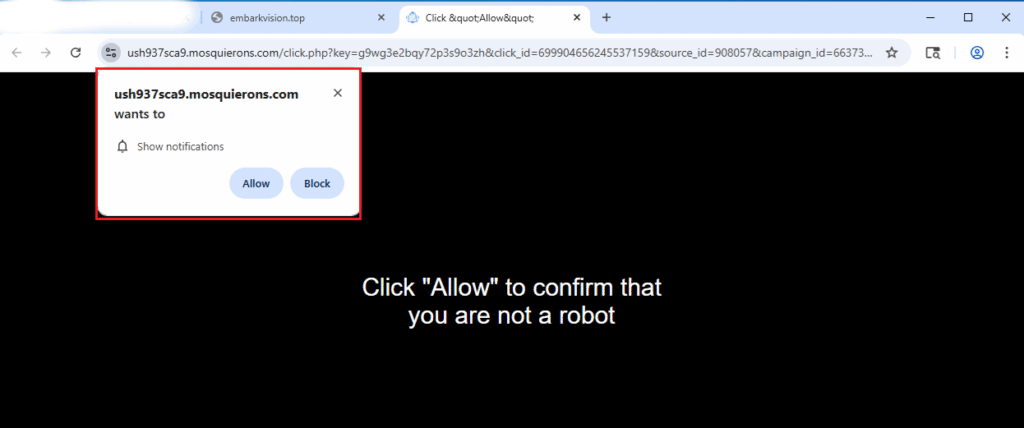
If you have ever been using a browser and suddenly received a pop-up such as this one:
Close the tab instead of clicking ‘Allow’ or ‘Block’
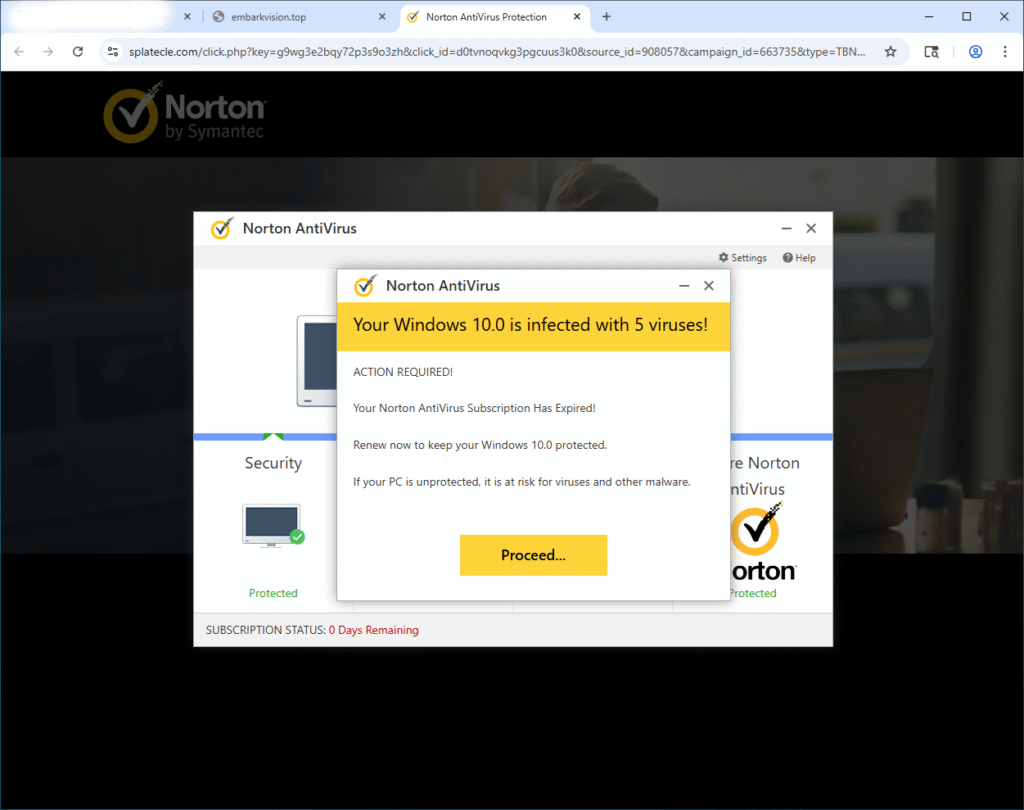
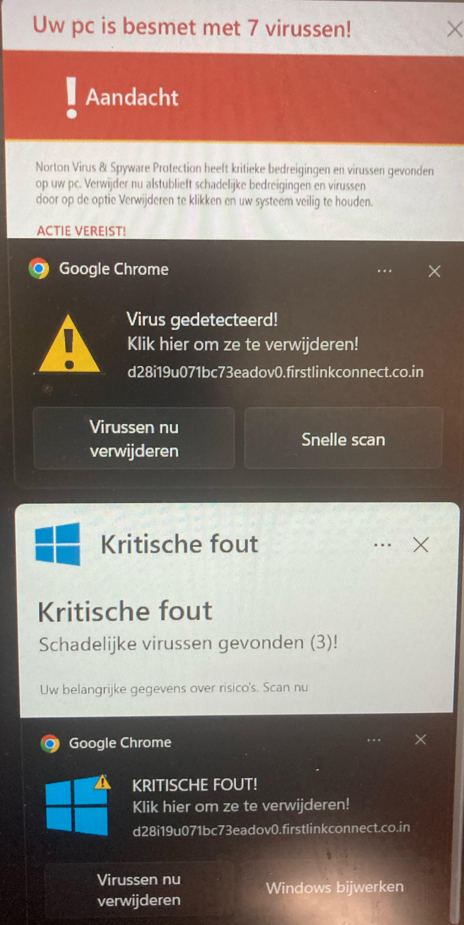
If you press “Allow”, you not only add a setting to your browser that you won’t like, but you’ll start to get inundated with notifications (FakeAlerts) such as these:
Some of these show up in your browser, and some will appear in the bottom-right corner of your screen
It’s important to note that these are fake alerts designed to scare you into clicking “Install antivirus”, “Proceed..” etc. Essentially, they want you to visit a website of their choosing. Usually they receive some sort of payment for sending you there
It’s important to be aware of what you click.
If you need help with removing this type of problem, check out DoesNotBelong as it supports many browsers, except Gecko based browsers (FireFox, WaterFox, Floorp, etc…)
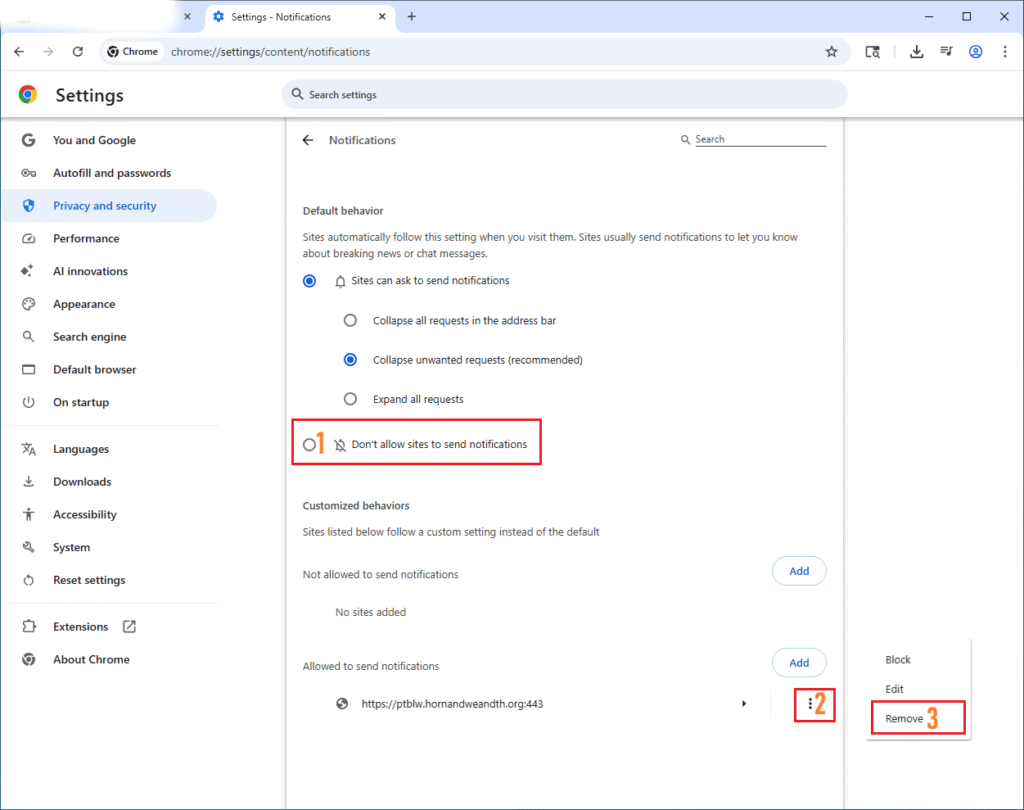
If you’d like to do this yourself, open your browser (Microsoft Edge, Google Chrome, etc..) and type one of these into the address bar and then press ENTER:
edge://settings/content/notifications
chrome://settings/content/notifications
brave://settings/content/notifications
about:preferences#privacy <–Firefox users
From this page, you should be able to immediately find the offending entry:
Once you click Remove, the offending pop-ups should immediately disappear if they were active on your screen.
Afterwards, consider using an adblocker and updating your hosts file.